Things to Do in Libya
The Sahara meets Rome and the sea keeps watch
Top Things to Do in Libya
Find activities and tours you'll actually want to do. Book through our partners -- no booking fees.

Plan Your Trip
Essential guides for timing and budgeting
Climate Guide
Best times to visit based on weather and events
View guide →Day Trips
The best excursions and nearby destinations worth the journey
Explore day trips →Where to Stay
Best neighbourhoods, hotel picks, and booking tips
Find hotels →Travel Insurance
What's required, what coverage matters, and how to get a quote
Read guide →What to Pack
Climate-specific gear, essentials, and what to leave at home
See packing list →When Should You Visit Libya?
Tap a month for weather, crowds, and highlights
View full year-round climate guide →

Your Guide to Libya
About Libya
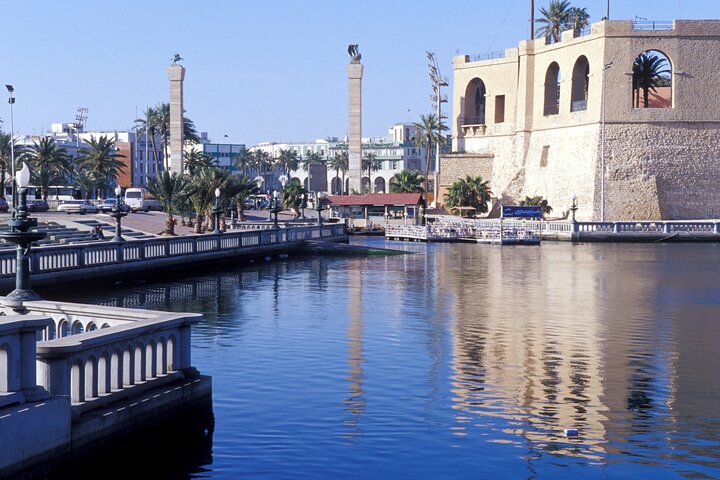
Tripoli wakes with cardamom and salt. The sun lifts above the harbor. The Red Castle Museum roof gives the first wide view. Mediterranean light hits like hammered copper. The call to prayer rolls across Martyrs' Square, echoes off the Italianate arcades of Green Square. Libya never tiptoes. Diesel generators growl in the old city.
Heat ripples the asphalt by 10 AM. Every talk begins with tea thick with mint and sugar. Walk south from the medina's gold souq. Alleys shrink. You brush sacks of cumin and caraway. Pass the 17th-century Ahmed Pasha Karamanli Mosque. The imam's voice crackles through speakers older than most Libyans. Two hours west, Leptis Magna's Roman columns jut from sand like broken teeth.
Eastward, Benghazi's Ottoman balconies lean above streets. A plate of bazein with lamb and tomato broth costs 12 dinars ($2.50) and keeps you full until dusk. The country has survived wars you read about and ones you never saw. Bullet holes still freckle walls along Tripoli's Shara al-Shatt. Still, cafés on Omar al-Mukhtar Street brim every night.
Men argue football over bitter coffee priced at 1.5 dinars ($0.30). Libya is not safe in the postcard sense. Power cuts every few hours will test your patience. Yet stand where Phoenicians traded salt for gold. Stand where Italian colonizers built facades that still stand. Stand where the desert starts at the city edge and refuses to stop for a thousand miles. Something rewires your idea of travel itself.
Travel Tips
Transportation: Shared taxis rule the roads between cities. Expect 15-20 dinars ($3-4) from Tripoli to Leptis Magna, cash paid to the driver at the end. Inside Tripoli, white-and-blue microbuses charge 0.5 dinars (10 cents). Arabic numerals are needed to read the destinations. The airport road is notorious for unofficial taxis quoting 100 dinars ($20) for a 15-minute hop. Pre-book through your hotel or pay 20 dinars ($4) to the orange city buses waiting outside arrivals. Download the offline maps app Maps.me before arrival. Cell service fades outside cities.
Money: Libya runs on cash, period. ATMs work now and then. They often spit out 100-dinar notes that small vendors cannot break. Bring euros or dollars to exchange at the black-market rate (currently 20% better than official) at any jewelry shop in Tripoli's medina. Walk in holding foreign currency. Someone will step forward. Hotels list prices in dinars but accept euros at poor rates. Always negotiate. Credit cards remain theoretical outside a handful of Tripoli hotels.
Cultural Respect: Friday prayers reshape cities. Shops close 11 AM-2 PM; plan around it. When invited for tea, and you will be, accept three glasses minimum. The third is called 'tea of the swords'; refusing insults hospitality. Women should carry a scarf for mosque visits. Tripoli feels relaxed. Yet Benghazi and Sabha remain more conservative. Long sleeves deflect stares. Photos of military anything, even abandoned checkpoints, will bring plainclothes police who seem to materialize from thin air. They will confiscate your camera.
Food Safety: Street food beats hotel buffets. Watch where locals queue. The shawarma cart outside Tripoli's Algeria Square serves chicken marinated in yogurt and garlic for 3 dinars ($0.60). The vendor keeps meat on ice and bread hot. Skip uncooked vegetables unless you can peel them yourself. The tomatoes in bazein boil for hours. Bottled water costs 1 dinar (20 cents) everywhere. The sweet mint tea is boiled long enough to kill anything. After sunset, families gather at Tripoli's seaside cafés for grilled prawns. Check that seafood smells of the sea, not fish sauce.
When to Visit
March through May gives Libya at its gentlest. Expect 22-28°C (72-82°F) along the coast, 15°C (59°F) nights in Tripoli. The Sahara still tolerates 30°C (86°F) before summer's furnace ignites. Hotel rates sit 30% below peak during these shoulder months. June-August brings 40°C+ (104°F+) heat that empties Tripoli's streets by noon.
Beach towns like Sabratha fill with Libyan families escaping inland heat. Weekend hotel prices jump 50%. The Mediterranean stays swimmable through October at 25°C (77°F). Inland temperatures drop to pleasant 25-30°C (77-86°F), making desert trips to Ghadames possible again. November-February brings daytime highs of 18-20°C (64-68°F) and the year's only rain, maybe 3-4 days monthly.
It also brings the best deals: Tripoli hotels drop 40% from summer rates. Ramadan shifts earlier each year. When it falls in summer (2026-2027), daytime dining vanishes and nightlife starts after 9 PM. The Ghadames Festival in late March shows Berber culture. Book accommodations months ahead. Coastal fog rolls in most mornings November-February, burning off by 10 AM.
Flights from Europe run cheapest January-March; summer doubles the price. Solo travelers find March-April good for meeting locals, before heat drives everyone indoors.
More Ways to Experience Libya
Tours, day trips, and local experiences curated by on-the-ground operators.
Didn't see anything interesting yet?
Browse Viator's full catalog of tours, day trips, food experiences, and private guides in Libya.
See All Libya Tours on Viator